

Ultimate Guide to Beautiful Container Gardens
As an Amazon Associate, we may earn a small commission from qualifying purchases.
Gardeners tend to fall into one of two camps. There are those who are died-in-the-wool-in-ground gardeners whose backyard gardens rival commercial greenhouses. Then, there are the more wanna-be gardeners who have feverish winter dreams of never again buying lettuce at the grocery. Or tomatoes or cucumbers or raspberries or herbs, for that matter. And yet somehow those gardens never quite materialize, come summertime.
Confession: I have always been the latter.
For years I had the space, the spot in the yard just perfect for a vegetable and/or flower garden. But I never quite had the garden. I could chalk it up to kids, their activities, heat, bugs, dirt, and so on. But in keeping with working to Create I Life I Love, upon downsizing I’ve discovered a whole new world of gardening. One I love, can keep up with, and brings me a lot of joy.
- Container gardens are gardens in bite-sized pieces
- Why choose a container garden
- How to begin a container garden
- Choose the right containers
- Select the right plants
- Use quality potting soil
- Watering and fertilizing
- Types of fertilizer
- Fertilizing schedule
- Placement and sunlight
- Watering container gardens
- Time to get planting
- Happiness is container gardening
Container gardens are gardens in bite-sized pieces
Container gardens have become my thing. Read on to learn why they’ve become my thing and how you can have the joy of a garden without weeding, kneeling, or getting muddy, along a few other big perks.
Why choose a container garden
We’ve already touched on a few reasons a container garden might be just the ticket for you. My love of containers really began after we downsized a few years ago. We went from sprawling yard to balcony, overnight.
Suddenly, I could envision planting all the herbs I loved to cook with, along with some gorgeous flowering plants. The confined space felt far less overwhelming to a hobby gardener, such as myself, and I got to work.

Limited Space
Maybe you have a small yard, or one without a suitable spot for a garden. Or, maybe you live in a condo or apartment and are working with balcony space.
Portability and Flexibility
The ability to move your plants around, for whatever reason, is a huge perk of planting in containers. Optimizing sunlight, protecting plants from harsh weather, and even the ability to bring the pots inside if the temperature drops, or a storm is coming, gives you flexibility.
Some outdoor plant stands not only serve to greatly expand your garden options, but they also create a beautiful way to add color by placing them in front of a fence, railing or brick wall. I especially this this stand for it’s automotive paint durability, ability to move the shelves up or down, and the wheels, which mean you can wheel it inside if frost is threatening, or just reposition it at will.

- Unrivaled Stability – Say goodbye to wobbling wooden plant stands. All shelves and support legs are metal, with each shelf welded, not assembled, ensuring sturdiness. Each shelf has a 1.5cm thick removable hard plastic liner for a stable pot base, keeping pots steady. Whether holding heavy ceramic pots or multiple small plants, this stand stays rock solid.
- Customizable Shelf Height for Precise Plant Care: Adjust each shelf’s height in one-inch increments to accommodate plants of all sizes and adjust as they grow, maximizing space, No longer do you need to worry about taller plants being cramped. The customizable height feature ensures each plant gets the right amount of light, airflow, and space to grow to its fullest potential.
- Easy to Move: All four casters come with locks to keep your plant stand steady and in place, The polyurethane casters prevent scratches on any indoor flooring type. Wheels come with height-adjusting nuts to eliminate wobbles from uneven floors, Conveniently and easily move or clean the floor underneath the plant stand, and easily take it outdoors for sunlight—perfect for plant health.
- Premium Black Automotive Paint Finish: Our plant stand boasts a superior black automotive paint finish, providing a rich, luxurious texture that blends seamlessly with over 90% of home decor styles. This elegant finish not only enhances the stand’s visual appeal but also ensures long-lasting durability, making it a stylish addition to any room.
- Versatile Home Decor Integration: Enhance your space with our versatile metal stand. Perfect for living rooms, patios, gardens, or balconies, it allows you to display small sculptures, decorative stones, and ornaments, creating a stunning 3D effect. Unlike wooden stands, our durable metal stand withstands rain, sun, and wind, making it ideal for both indoor and outdoor use. Personalize and beautify your surroundings effortlessly!

Better Soil Control
Unlike your vast backyard, where you probably don’t know the soil composition or what percentage is heavy clay, sand, or compacted, using containers means you can choose the ideal growing medium. With a bit of research, you can provide your containers with optimal soil mix, compost and organic matter, ensuring you have good drainage and nutrient levels for your plants.
Pest and Disease Management
You can’t eliminate pests but when your plants are in containers you will find it easier to monitor and manage signs of pests, mold, or disease. Also, by keeping your plants off the ground, you can eliminate many soil-borne diseases and root rot. This goes double for helping prevent your plants from being overtaken by slugs or eaten by bunnies.
Added Beauty
One added plus to container gardens is they give you another aesthetic option: the pots. I find it endlessly fun to add a new pot or two every summer in an effort to find the perfect configuration of pots and plants.
I once had it in for plastic pots; they looked cheap and uninteresting. But things have changed. Now, it’s not hard to find plastic pots that are both sturdy and beautiful. In fact, many look so much like the material they’re imitating, you have to pick it up to believe it’s plastic. This is one of those pots.

- CLASSIC DESIGN: Featuring a stunning design, this shallow bowl planter has a pottery-like finish and a classic design that features a complementary range of colors that seamlessly blend into modern and traditional settings.
- CUSTOMIZABLE DRAINAGE: This pot features a single drainage hole and comes with an attached saucer. The shallow planters efficiently collect excess water to provide a mess-free experience.
- WEATHER RESISTANCE: The flower pot is made out of UV-resistant fading that color fading, cracking and fading, making these modern planters suitable for both indoor and outdoor use.
- DURABLE & LIGHTWEIGHT: Our 10″D x 10″W x 5″H pot is made from premium resin. Designed for lasting durability, this sturdy yet lightweight planter bowl ensures reliable performance while being easy to move and handle.
- ABOUT CHG: We feature the highest quality of products with the latest techniques to bring a diverse range of planter styles to life that are not only aesthetically pleasing but also functonal and durable. CHG’s planters blend seamlessly into modern, minimalist or traditional decor.
Short Season
The gardening season where I live is pretty short. So, I love the flexibility of being able to bring a few pots inside come the cooler weather.
Limited Physical Mobility
Nobody likes to admit to this one, but gardening can be tough on your knees, hips, and if you’re at all short on balance, it’s not a good idea. Raised bed gardening or container gardening, means you can set the plants at a level you’re comfortable with. Side tables, shelves, even cascading gardens mounted on a fence or the side of a terrace mean you can deadhead, water, and admire your creations at a level comfortable for you.
How to begin a container garden
First off, pick your spot(s). Maybe it’s your balcony, terrace, or a corner of your patio. Think about proper sun, and ease of watering. Remember, all these lovely containers will need to be watered. Frequently. If you’re using a portion of an outside yard, think about spigot location, hose length, etc., to make watering as pain-free as possible.
If you’re using a terrace or balcony where you probably don’t have a water source, think about how you’ll water and be sure it’s easy for you, whatever that means.

Choose the right containers
Be sure to select containers that are large enough to accommodate the plants you want to grow, taking into account the depth and space required for their roots. The containers should have proper drainage holes to prevent waterlogging, which can lead to root rot.
Select the right plants
Your plants and containers should be considered a team. Pay attention to the size of the container, the amount of sunlight the plants will receive, and the type of plant. Shallow-rooted plants like herbs, flowers, and small vegetables are idea for containers. If you’re sold on larger plants, just be sure to use bigger pots or larger containers like raised bed (if you have a yard), to allow room for growth.
Use quality potting soil
It matters what kind of soil you use for your containers. Don’t go into a corner of your yard and dig up soil to use. Instead, use a high-quality potting mix specificallly designed for containers. These have been specially formulated mixes, to provide better drainage and air circulation for roots. Also, consider adding compost or organic matter to enrich the soil and boost its nutrient content. If you plan to move your container around, also be sure the mix is lightweight enough for transport.
Watering and fertilizing
You may be amazed at how quickly your container gardens dry out. They require more frequent watering than traditional in-ground gardens, so it’s important to check the soil moisture regularly. It’s not just sun that dries out your containers. Windy conditions also dry out your container gardens more quickly, so be aware. It’s not at all unusual for your containers to require watering every one to two days, especially during peak summer months. Follow fertilizer instructions as to frequency, but plan to fertilize regularly to replenish nutrients in the soil. Container soil can get depleted very quickly.

Types of fertilizer
- Liquid Fertilizer – These are usually easier to apply and they absorb more quickly, making them a good option for container gardens. They’re usually diluted with water and can be applied during regular watering
- Slow-Release Fertilizers – These are granular fertilizers that release nutrients over time. They’re a good option because they require less frequent application
- Organic Fertilizers – Organic fertilizers, such as compost or manure, can also be used in containers. Theses help improve soil structure while providing essential nutrients
Fertilizing schedule
During the growing season, most plants will benefit from monthly feeding with a blanced fertilizer, but this can vary based on the plant type. For example, flowering plants may require more phosphorus, while leafy greens may need higher nitrogen. Read your labels for tips.
If you choose to bring some of your containers inside during fall or winter, plan to reduce the frequency of fertilizing. Fall and winter are plants’ dormant period and over-fertilizing during the off-season can lead to nutrient imbalances and harm plant growth.
Because watering is essential, you’re going to want a great watering can. Our first year with a balcony, I bought a plastic watering can because it was lightweight. But what I found was that my new lightweight can blew all around in strong winds.
I’ve since converted to metal cans. They also look a whole lot nicer. Here are a few of my favorites:
I love this earthy watering can that looks equally at home outside or on a balcony or porch:
1 Gallon Metal Watering Can with Removable Spout, Nice Galvanized Steel Water Can with Embossed Design for Indoor and Outdoor Plants GreenI also love this galvanized version that comes in a range of colors:
1 Gallon Watering Can, Metal Watering Can with Removable Spout, Farmhouse Galvanzied Water Can, Nice Plant Water Can for Indoor Use and for Outdoor Use 1 Gallon 1 Gallon ZincThis bright yellow watering can brightens up any garden:
Topadorn Watering Can for Plants, 55 Oz Metal Watering Can with Removable Spout for Indoor & Outdoor Plants, Long Spout Garden Watering Can, YellowPlacement and sunlight
Plants require different amount of direct and indirect sunlight. Follow the instructions on plant tags for more information or Google the plant type for more details. Most vegetables, fruits, and flowering plants need at least six hours of direct sunlight per day.
Watering container gardens
Frequency
Container gardens typically need watering every one to two days.
The best way to determine when to water is to check the moisture level of the soil. If it feels dry an inch or two below the surface, it’s time to water.

Methods
Watering Can and Hoses – These are the traditional methods of watering. Just be sure to water all your containers thoroughly, enough that water begins to drain from the bottom of the container.
When possible, water in the morning to allow time for the soil to absorb moisture and to avoid evaporation during the hottest part of the day.
Always use containers with drainage holes to prevent root rot.
Self-Watering Containers – These containers are designed with a built-in reservoir that allows water to be drawn up into the soil, as needed. They reduce the need for frequent watering and ensure that plants receive a consistent water supply, making them ideal for busy gardeners or those who travel often.
Time to get planting
Now that you know you’re a candidate for container gardening, and you know how and why you might choose containers, it’s time for the fun part: Choosing your plants!
Best plants for containers
- Herbs – Herbs like basil, parsley, thyme, rosemary, and mint thrive in containers. These plants generally have shallow root systems and are easy to manage in confined spaces. They’re also great to bring indoors once fall hits so you can continue to harvest your fresh herbs well into winter
- Compact Vegetables – Lettuce, spinach, radishes, carrots, and small peppers do well in containers. These plants don’t require large amounts of space for their roots and are ideal for growing in limited spaces
- Flowers – Many flowers are perfect for containers, including petunias, geraniums, marigolds, and begonias. Flowing plants often do well because they can be easily moved to get the right amount of sunlight
- Dwarf Varieties – Many dwarf or miniature varieties of vegetables and fruits, like dwarf tomatoes, drarf beans, or compact strawberries, are ideal for container gardens because they require less root space
This is a great option for herb planting with limited space:
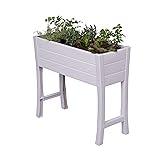
- Twist Lock system for easy assembly; no tools required
- 11″ depth to grow vegetables, herbs or flowers
- Maintenance free polymer construction
- Space saving, egonomic design for less bending and kneeling while gardening
- Ideal size for patios, balconies and decks
Worst plants for containers
- Large Trees or Shrubs – Trees and large shrubs are generally not suited for container gardens. Their root systems are too expansive, and they require much more space than a container can offer
- Large Vegetables – Larger vegetables such as corn, squash, or pumpkins need deep soil and large root systems. These plants often struggle in containers because they cannot develop their roots properly
- Heavy-Feeding Plants – Plants that require lots of nutrients, such as cabbage or potatoes, may not perform well in containers because of the limited nutrient supply. Even with regular fertilizing, they may not reach their full potential
Happiness is container gardening

If you’ve read this far, you’re probably like me. I love the idea of a big, in-ground garden, but I’ve never quite made it happen. For me, and quite possibly for you, container gardens satisfy our urge for fresh flowers, vegetables, herbs and the sense of satisfaction growing something brings.
Container gardening isn’t without its challenges, such as the need for frequent watering. But give it a try and you may find it becomes your new, favorite hobby during the spring and summer months. And bringing your herbs and a few plants indoors come fall because you can’t bear to part with them may just spur you on to your next new, favorite hobby: house plants!
Last update on 2026-03-01 / Affiliate links / Images from Amazon Product Advertising API
